Composite Infrastructure Systems for Industrial and Environmental Applications
FRP infrastructure components are engineered composite systems designed for industrial, utility, and environmental applications where corrosion resistance, durability, and lightweight construction are important design considerations.
Using fiberglass reinforced polymer materials, these systems provide alternatives for infrastructure environments where conventional materials may face challenges from moisture, chemicals, weather exposure, or long-term maintenance requirements.
HotFRP provides FRP infrastructure components covering cable management systems, water management solutions, building envelope systems, and utility protection components for industrial facilities and infrastructure projects.
FRP Infrastructure Product Families
FRP infrastructure systems include multiple product categories selected according to application requirements, environmental exposure, structural conditions, and installation considerations.
FRP Cable Management Systems
FRP cable management systems are designed for electrical and industrial installations requiring non-metallic cable support solutions with corrosion-resistant composite properties.
Typical applications include:
- Industrial cable support structures
- Power generation facilities
- Chemical processing environments
- Offshore and marine installations
Common product forms include:
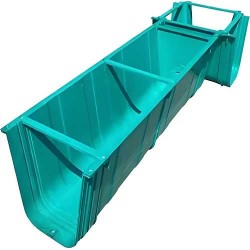
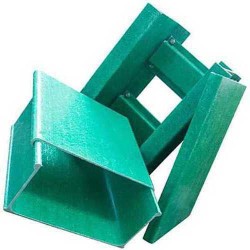
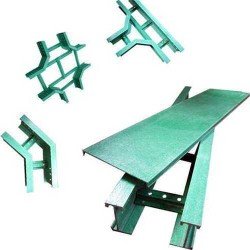
- FRP cable trays
- Cable ladders
- Composite trench covers
Learn more about FRP Cable Management Systems .
FRP Water Management Systems
FRP water management systems provide corrosion-resistant composite solutions for drainage, containment, and water control applications in industrial and municipal environments.
Typical applications include:
- Industrial drainage systems
- Wastewater treatment facilities
- Water containment areas
- Utility drainage infrastructure
Learn more about FRP Water Management Systems .
FRP Building Envelope Systems
FRP building envelope systems provide lightweight composite solutions for industrial structures requiring weather resistance, durability, and reduced maintenance considerations.
Typical components include:
- FRP roofing sheets
- Wall cladding panels
- Daylighting components
- Composite enclosure systems
Learn more about FRP Building Envelope Systems .
FRP Utility Protection Systems
FRP utility protection systems are engineered for infrastructure applications requiring durable composite protection components in public, industrial, and utility environments.
Typical applications include:
- Protective barriers
- Environmental screens
- Utility protection structures
- Infrastructure maintenance components
Learn more about FRP Utility Protection Systems .
Engineering Characteristics of FRP Infrastructure Components
The selection of FRP infrastructure components depends on environmental conditions, structural requirements, service expectations, and integration with surrounding systems.
Corrosion Resistance
FRP materials are commonly selected for infrastructure applications exposed to moisture, chemicals, salt environments, and industrial contaminants where corrosion resistance is an important consideration.
Lightweight Composite Construction
Fiberglass reinforcement combined with polymer resin systems provides structural components with high strength-to-weight characteristics, supporting efficient transportation, handling, and installation.
Long-Term Environmental Durability
Composite infrastructure systems are designed for demanding environments where reduced maintenance requirements and resistance to environmental degradation are important factors.
FRP Infrastructure Selection Considerations
Selecting suitable FRP infrastructure components requires evaluation of application conditions rather than material type alone. Key factors include environmental exposure, structural function, installation requirements, and operational conditions.
Environmental Exposure
Important considerations may include:
- Chemical exposure conditions
- Marine and coastal environments
- Temperature variation
- Humidity and weather exposure
Structural Requirements
Infrastructure components should be evaluated according to required support functions, loading conditions, span requirements, and integration with existing systems.
Installation and Maintenance Conditions
Composite infrastructure solutions are often selected where lightweight installation, accessibility, and long-term service considerations influence project decisions.
Referenced Composite Material Considerations
FRP infrastructure components are commonly evaluated according to recognized composite material testing and performance requirements, including ASTM methods used for fiberglass reinforced polymer products.
Specific project specifications may determine applicable testing procedures, performance requirements, and installation standards.
Typical Applications of FRP Infrastructure Components
FRP infrastructure systems support a wide range of industrial and public applications where composite materials provide practical advantages.
- Chemical processing facilities
- Power generation plants
- Wastewater treatment facilities
- Marine infrastructure
- Industrial buildings
- Utility networks
- Infrastructure maintenance areas
Related Composite Systems
FRP infrastructure components are frequently integrated with other composite products to create complete engineered systems.
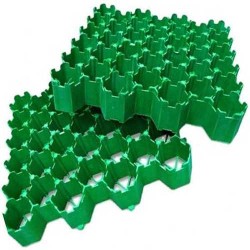
- FRP Grating Systems for access surfaces and industrial flooring.
- FRP Structural Profiles for support frameworks and structural assemblies.
- FRP Access Systems for maintenance and operational access structures.
Technical Resources and Product Selection
HotFRP provides technical information supporting FRP infrastructure component selection, application evaluation, and composite system integration.
Request Technical Information
For project-specific FRP infrastructure requirements, HotFRP provides technical information related to product selection, application conditions, and composite system integration.